Hengchun Botany Academy | Upcycled Nature
Taiwan | Hengchun, 2025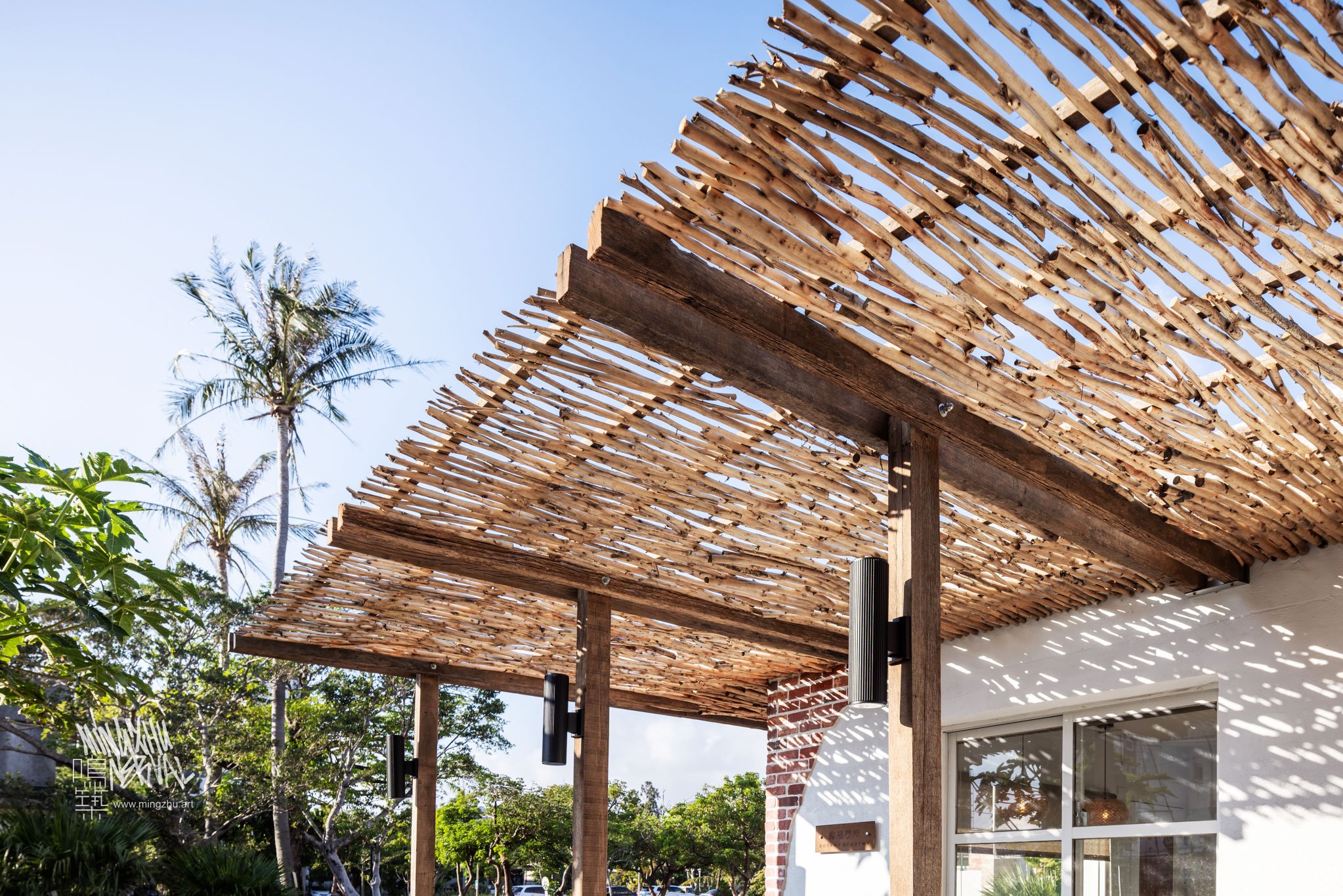
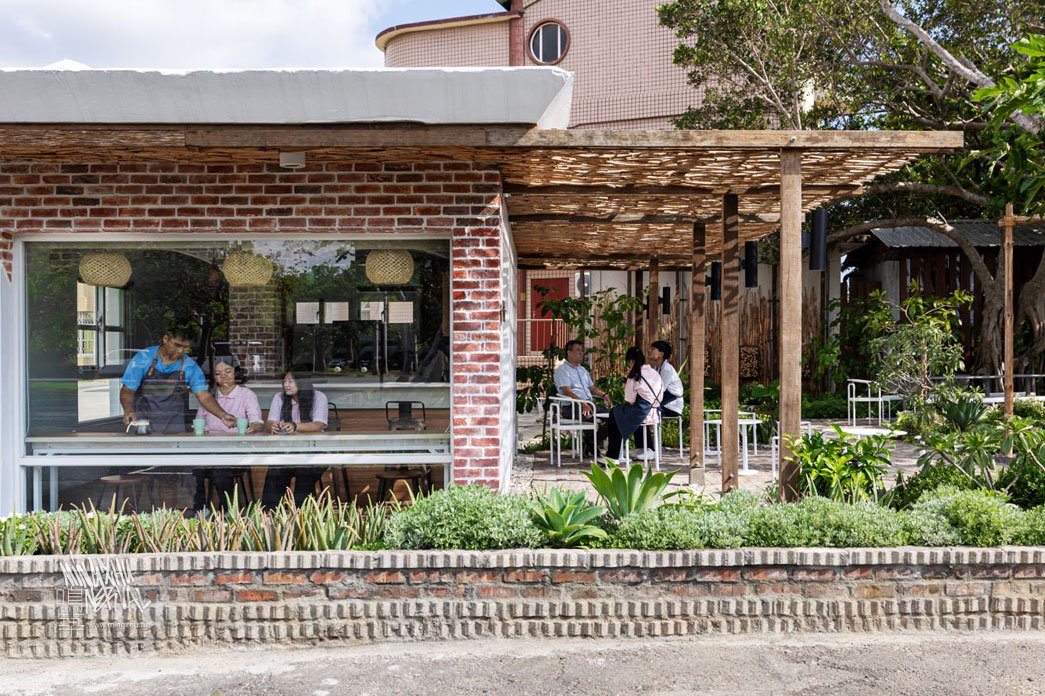
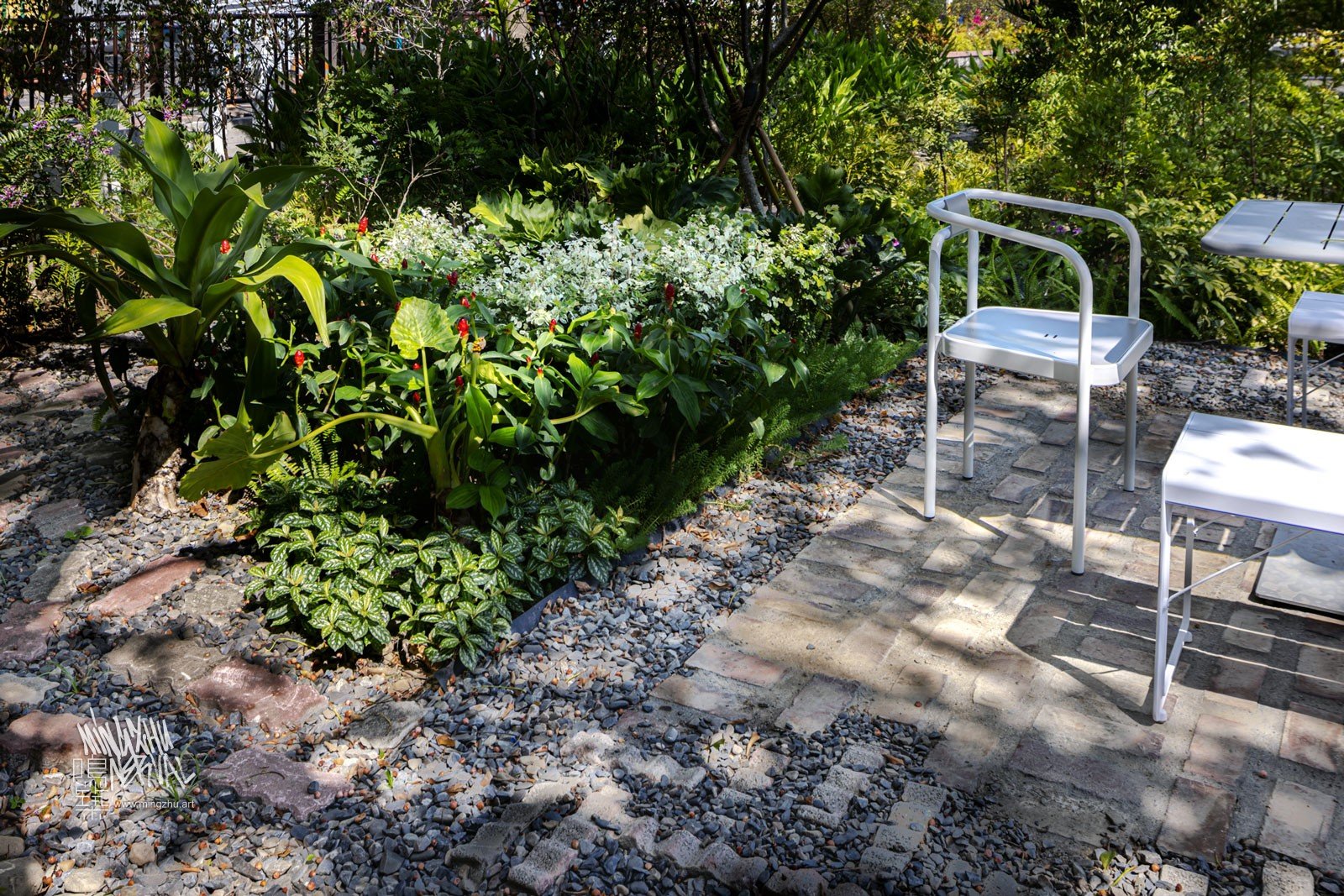
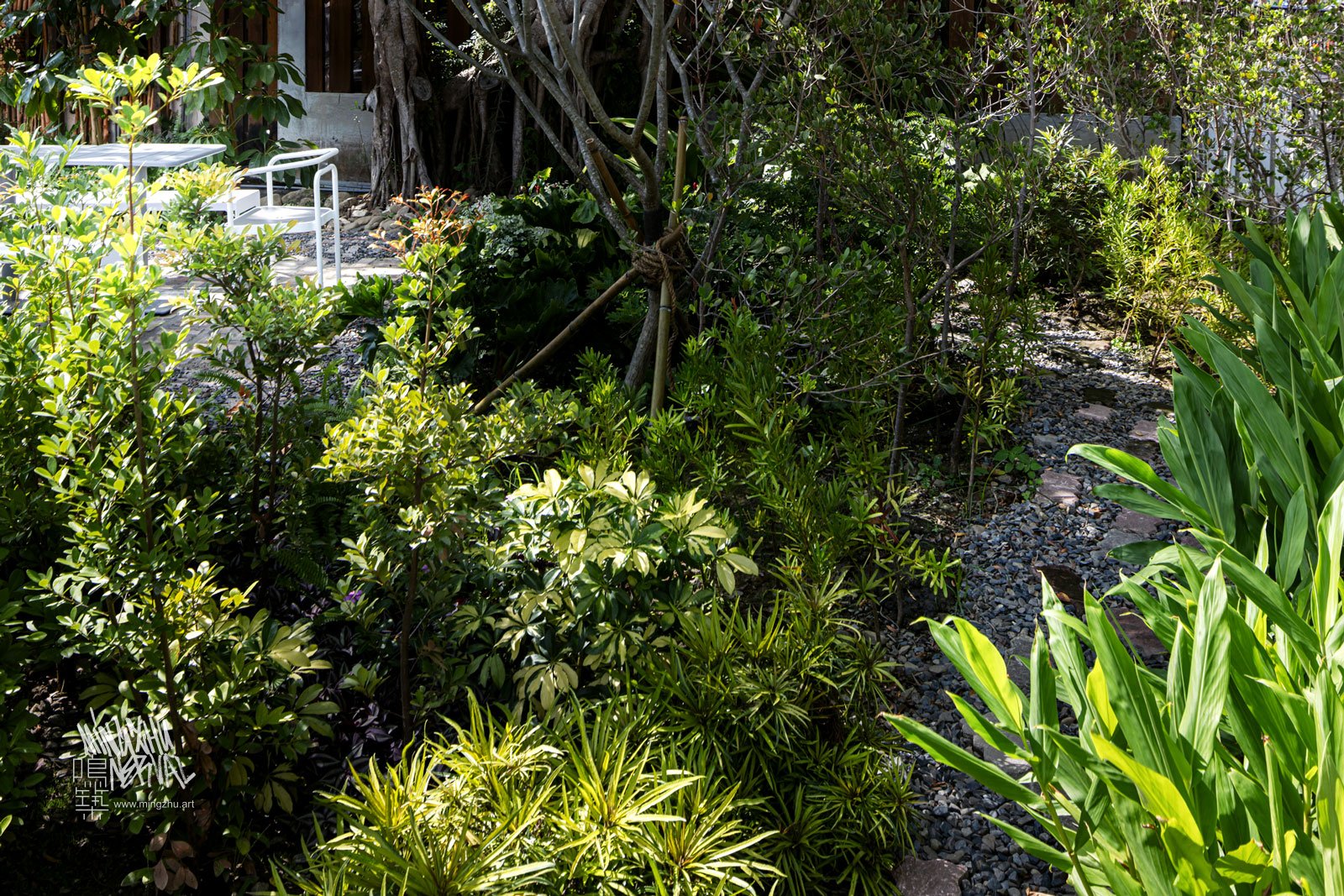
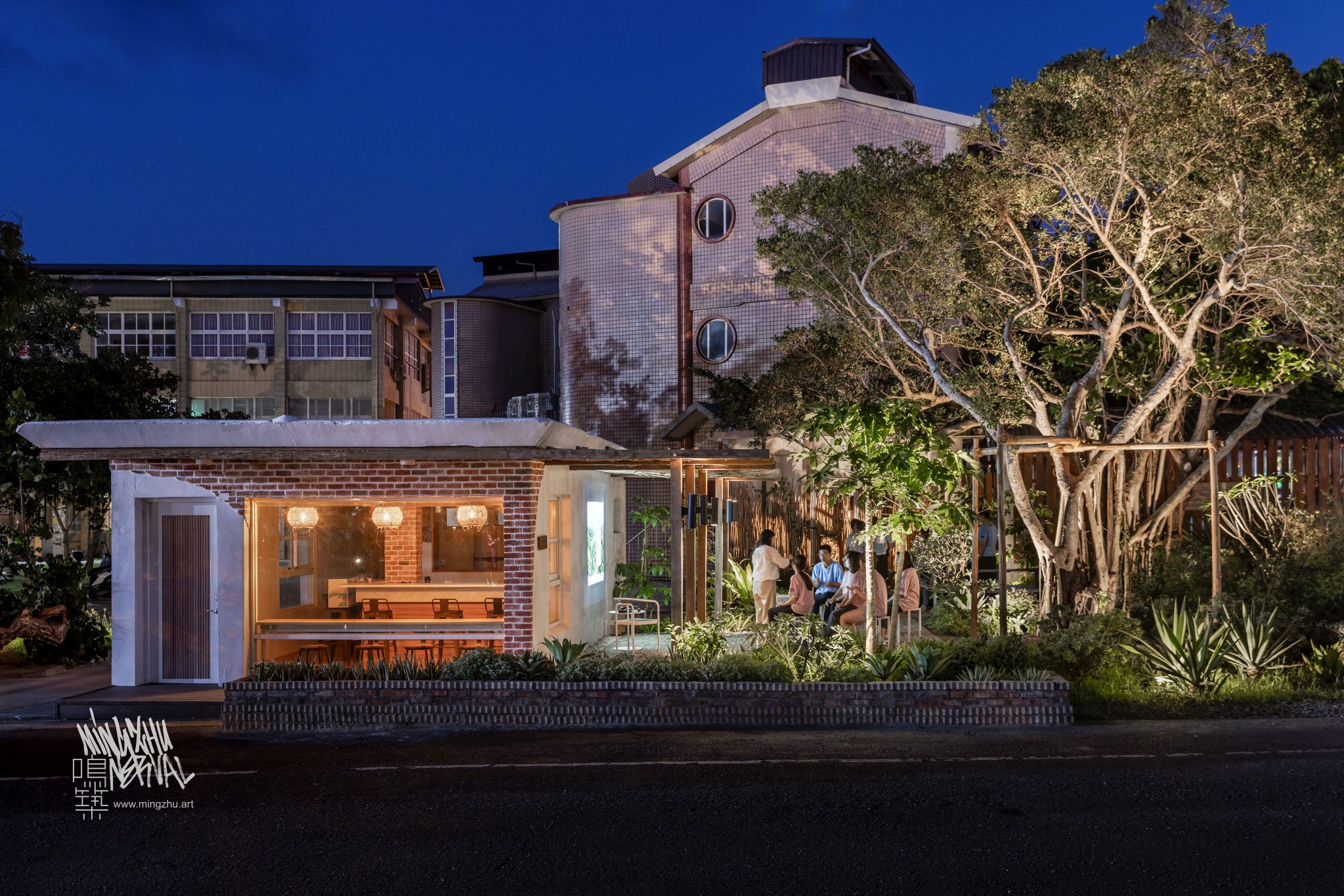
In this remote rural school where resources are limited, we use smart design methods to make the most of what’s available. We develop and reuse local natural materials, work with community craftspeople, and build outdoor classrooms by hand. This hands-on approach reduces waste and carbon emissions, while involving the community in every step. The project helps people value local resources, keep cultural traditions alive, and build a stronger sense of local identity.
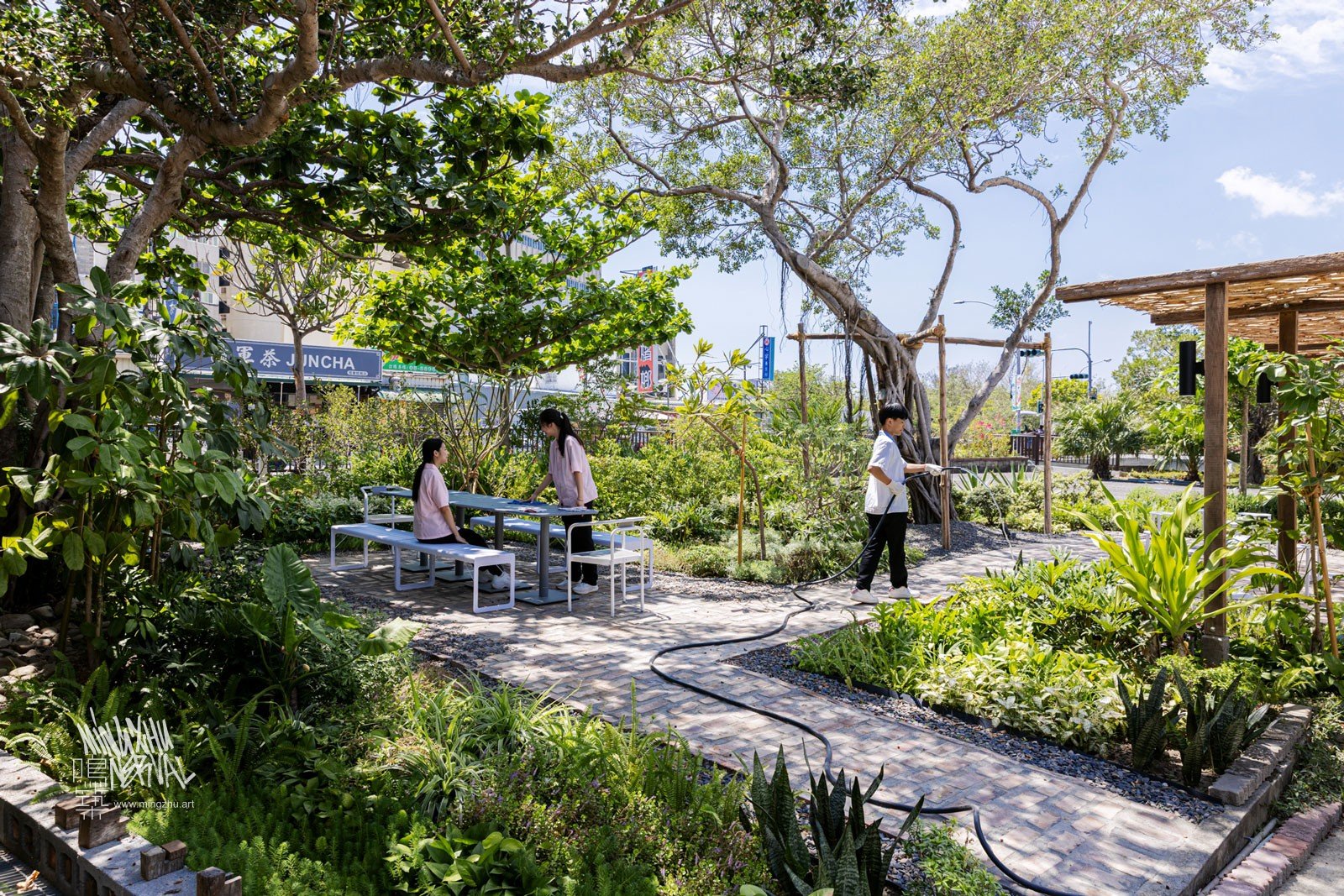
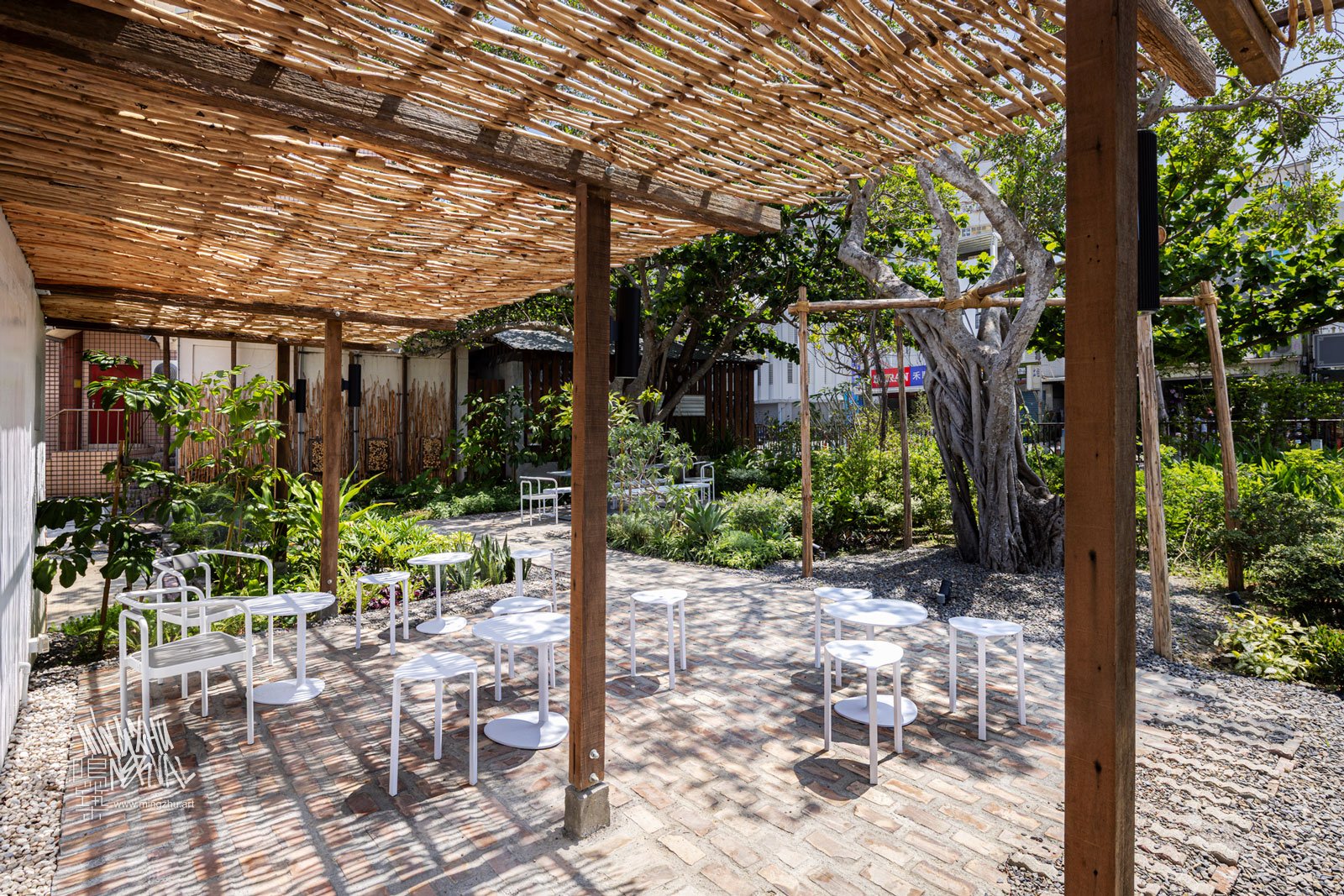
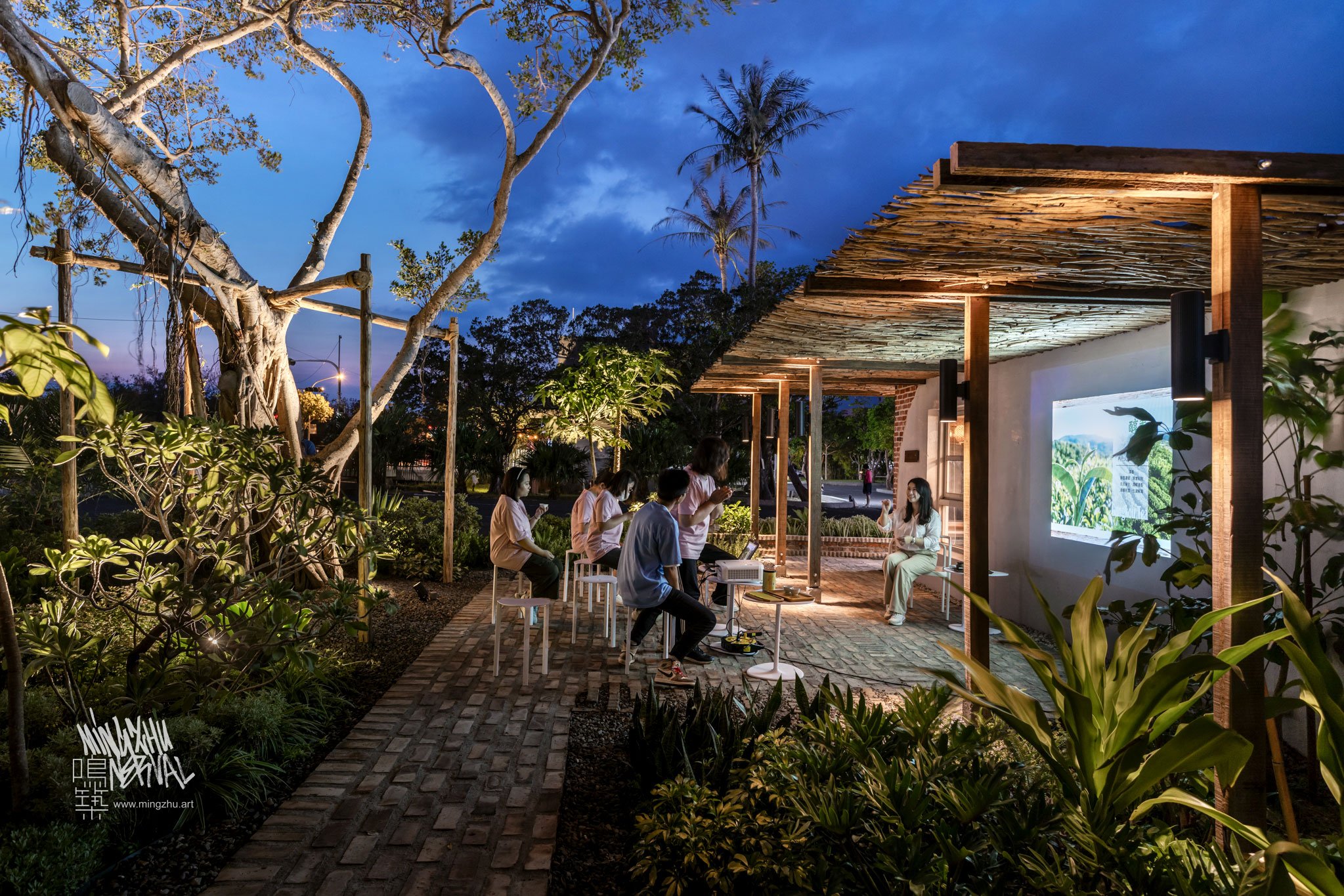
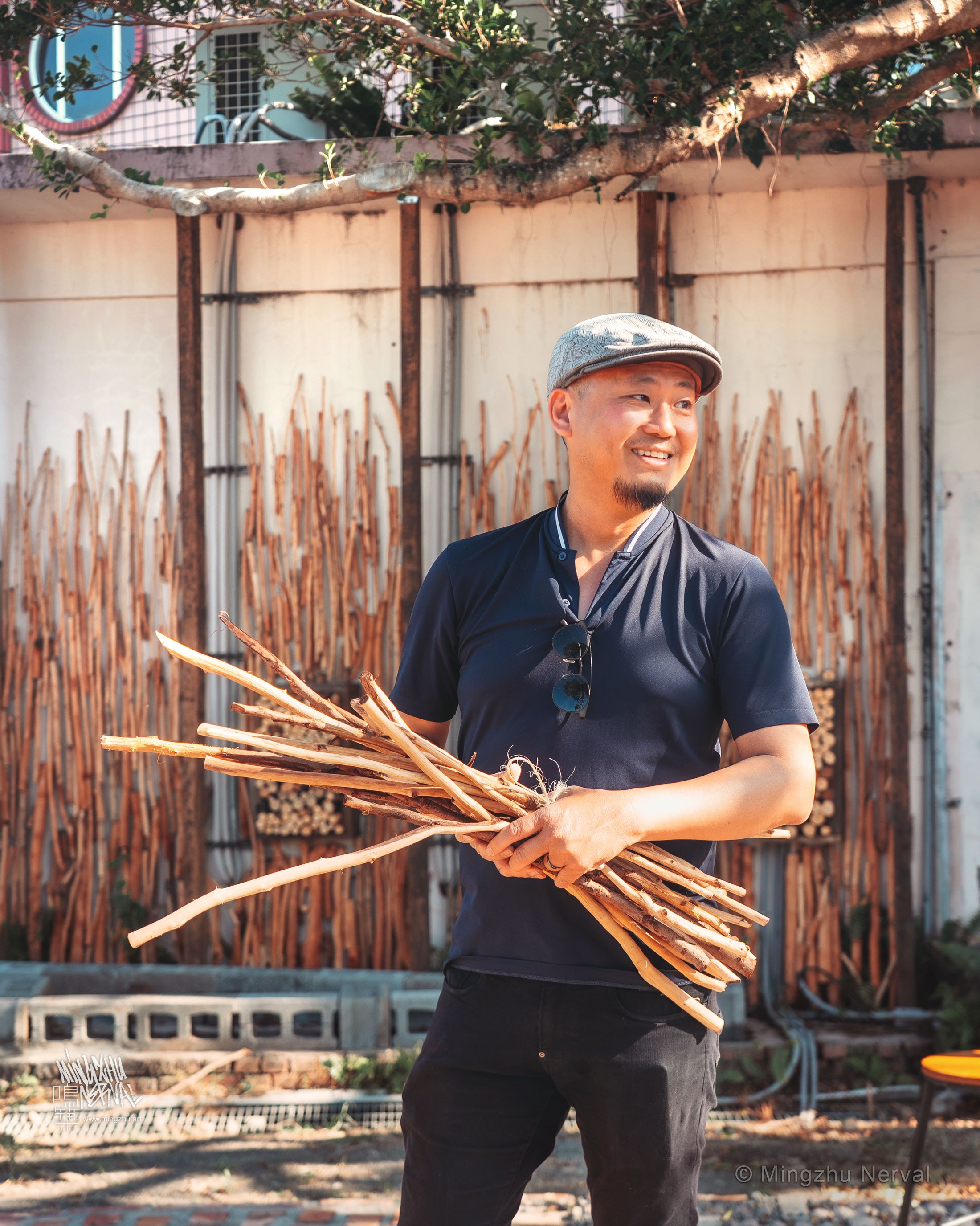
For the Hengchun Botany Academy Garden, Mingzhu Nerval collaborated with local environmentalists and carpenters to address the problem of a highly invasive species in the Kenting National Park: River tamarind.
Our design initiative aims to address the environmental challenge posed by these fast-growing plants and explores exciting possibilities for upcycling: We’ve put the twigs to creative use, forming a garden shade structure that provides shelter for the outdoor classroom. They’ve also been crafted into an “insect hotel,” offering a habitat for local bees and butterflies. By transforming what was once a problem into a sustainable solution, the project highlights community collaboration and eco-friendly practices.
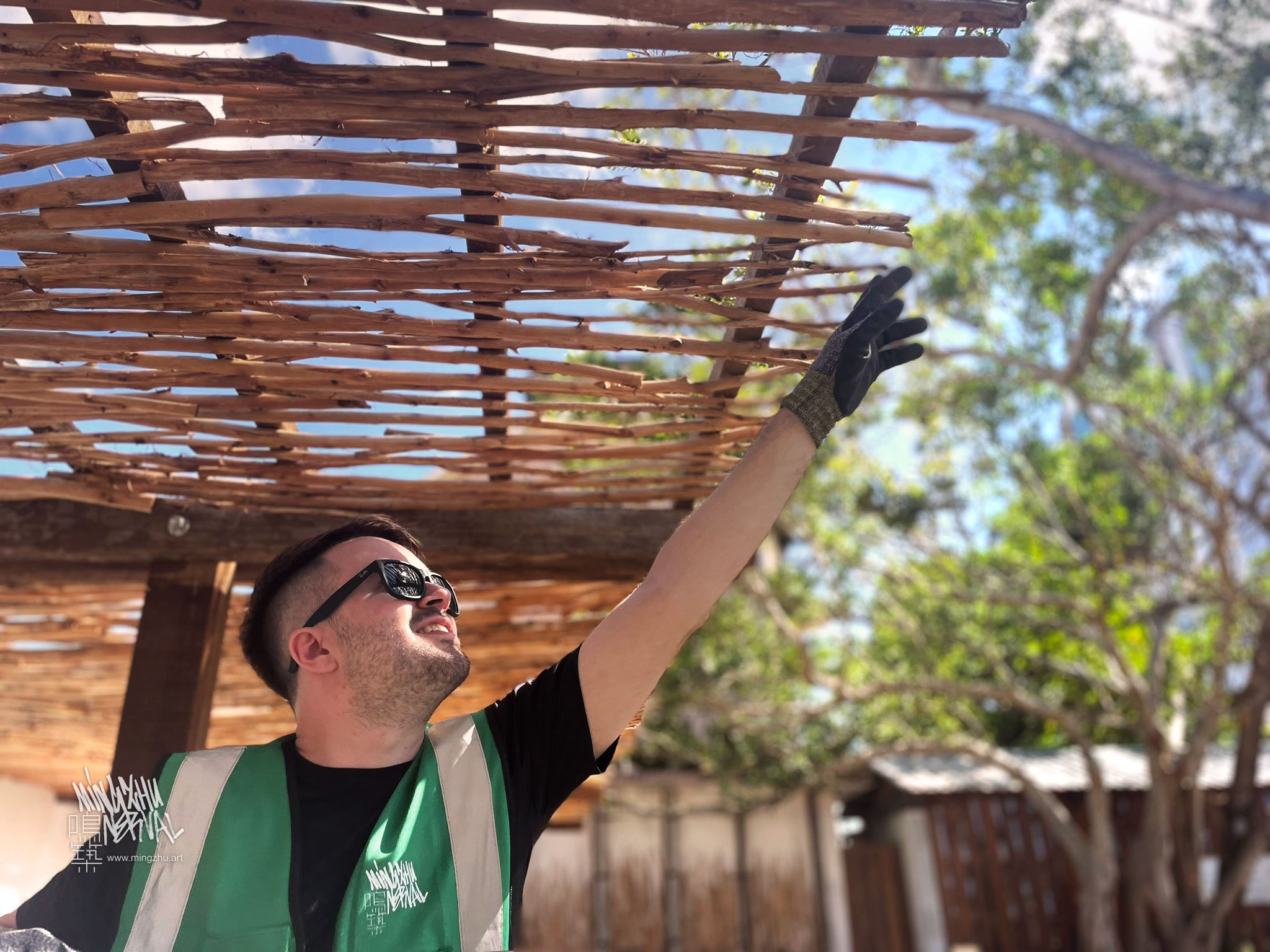
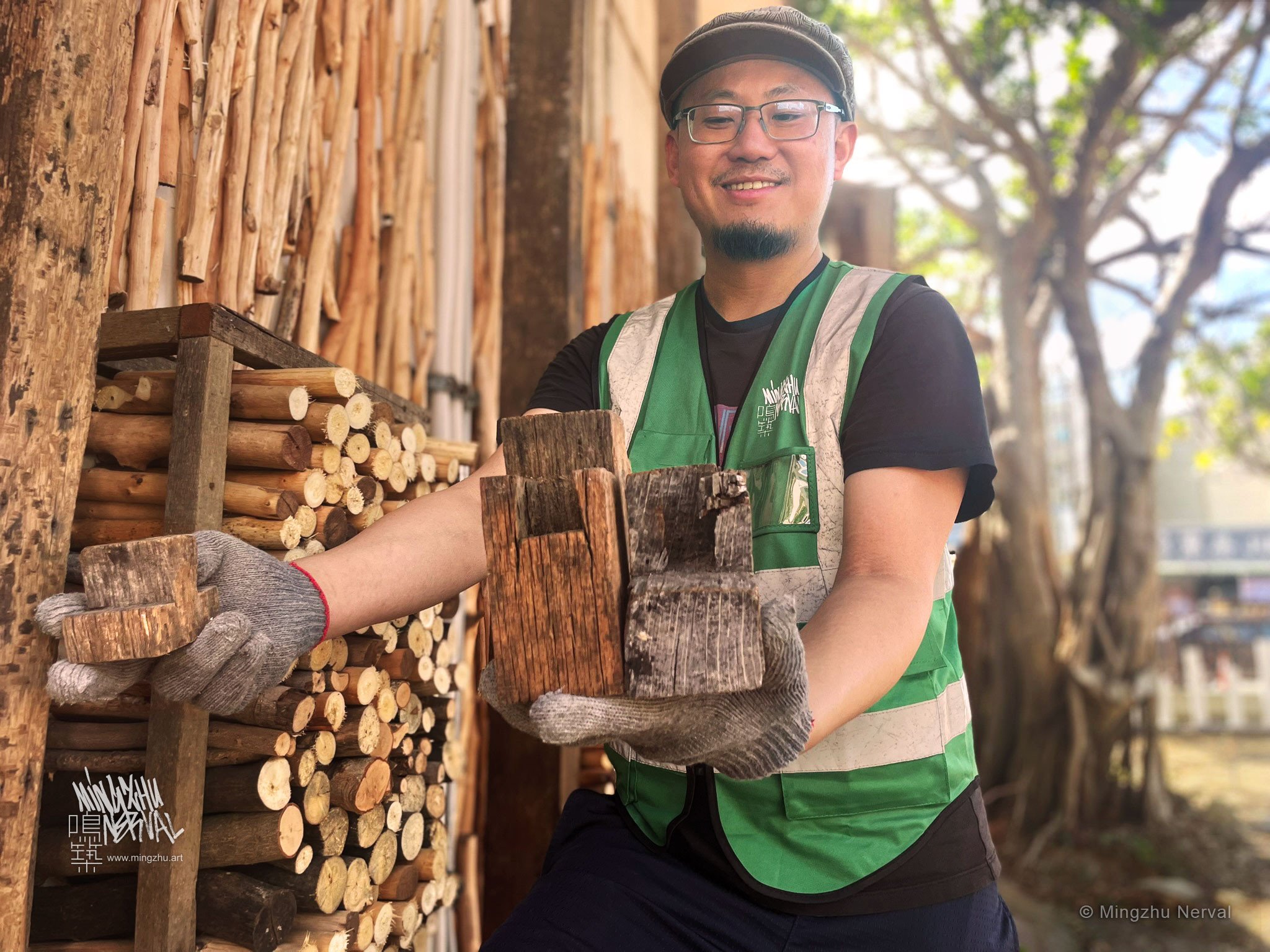 Designing with nature to shape resilient places
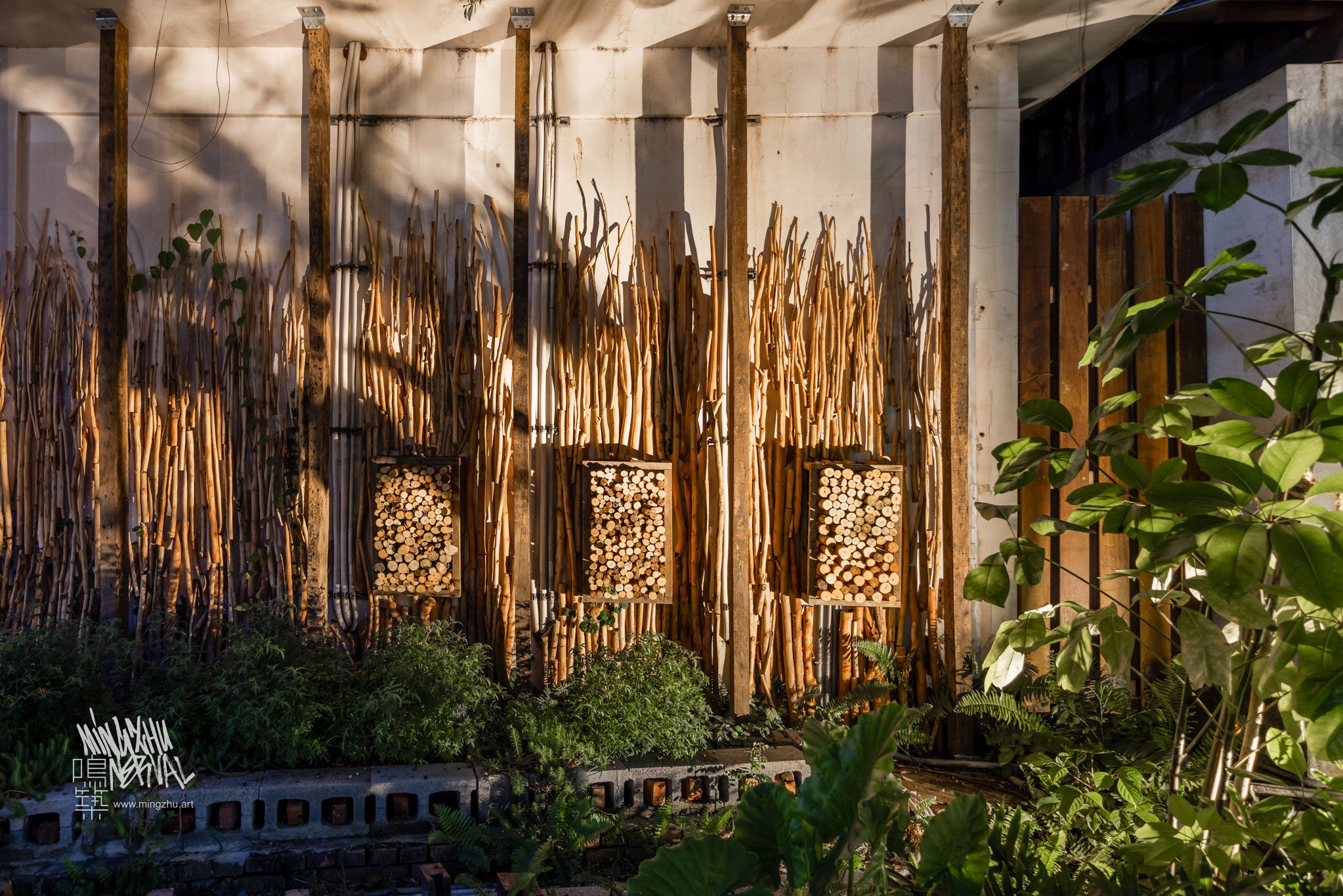
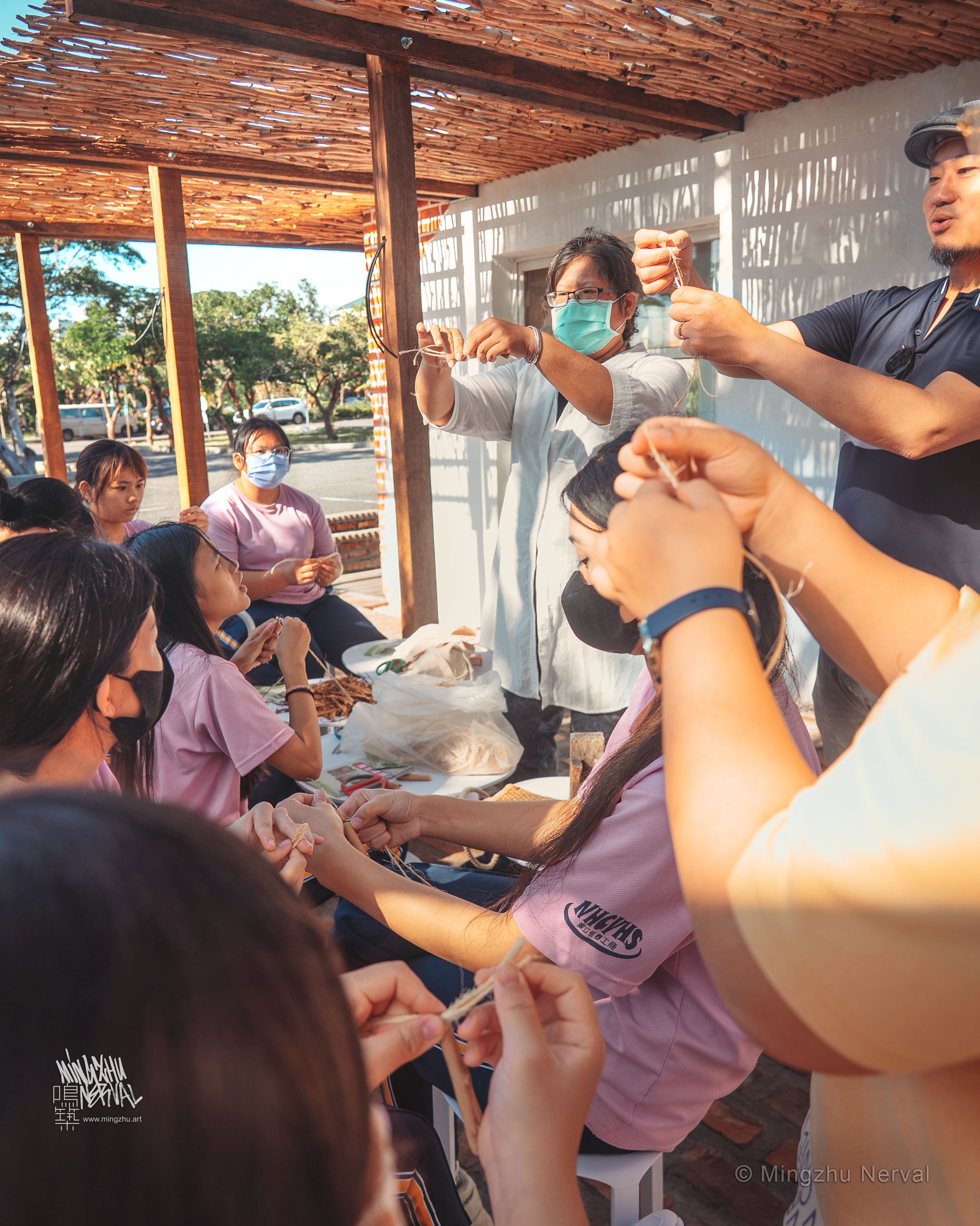
We took an inspiring step further by organizing workshops that brought local carpenters together with teachers and students. These sessions served as a platform to pass down traditional craftsmanship knowledge as well as nurturing a stronger sense of responsibility and connection to the school’s garden. This collaborative effort beautifully bridges generations and fosters a deeper appreciation for the space they are creating together.
 Community, craft, and ecology grow together